November 20, 2026
High-Pressure vs Low-Pressure: Choosing the Right PSI
By @emilianoqkwo082
If you own a home in Ballina, you already know the Northern Rivers climate is tough on exterior surfaces. Salt air from the coast, high humidity, regular summer storms and plenty of rain create the perfect conditions for mould, algae, mildew and grime. When it's time to clean, one of the most important decisions is the pressure you use. Choosing the wrong PSI can leave a surface still dirty, or worse, permanently damaged. This guide explains the difference between high-pressure and low-pressure cleaning and how to match the right method to each surface around your property.
What Does PSI Actually Mean?
PSI stands for pounds per square inch, and it measures the force of water leaving a pressure washer. In Australia you will also see pressure listed in bar or MPa. As a rough guide, 14.5 PSI equals 1 bar, and 145 PSI equals 1 MPa. So a washer rated at 2,000 PSI delivers around 138 bar.
PSI is only part of the story. Cleaning power also depends on:


- Flow rate (litres per minute): higher flow rinses away more dirt and detergent.
- Nozzle angle: a narrow 0° or 15° nozzle concentrates force, while a 40° nozzle spreads it out.
- Distance from the surface: moving the nozzle closer dramatically increases the impact.
- Detergents and treatments: the right chemical often does more work than raw pressure.
Understanding High-Pressure Cleaning
High-pressure cleaning generally refers to pressures above about 2,000 PSI, and commercial machines can exceed 3,000 to 4,000 PSI. This level of force is suited to hard, durable surfaces where stubborn contamination has built up.
Best Surfaces for High Pressure
- Concrete driveways and paths
- Brick paving and pavers (with care around joints and sand)
- Garage floors with oil and tyre marks
- Commercial footpaths and loading areas
- Heavily soiled masonry and retaining walls
On concrete, high pressure combined with a surface cleaner attachment gives an even finish without the zebra-striping that comes from using a wand alone. It can lift embedded dirt, tyre marks and organic growth quickly.
Risks of High Pressure
Too much force can etch concrete, gouge timber, blast mortar from between bricks, strip paint, push water behind cladding and loosen roof tiles. It can also drive water into window seals and electrical fittings. Pressure that is perfect for a driveway can be destructive on a weatherboard wall.
Understanding Low-Pressure Cleaning
Low-pressure cleaning, often called soft washing, typically uses pressures under about 500 to 1,000 PSI, similar to a garden hose with a bit more force. Instead of blasting dirt away, it relies on specialised detergents and biodegradable https://penzu.com/p/066bd827d0daa39e cleaning solutions to break down and kill organic growth at the source, then gently rinses the residue.
Best Surfaces for Low Pressure
- Colorbond and tiled roofs
- Rendered and painted walls
- Weatherboard and vinyl cladding
- Timber decks and fences (often with low pressure plus the right nozzle)
- Windows, screens and flyscreens
- Outdoor furniture and pergolas
- Solar panels (follow the manufacturer's guidelines)
Soft washing is especially valuable in Ballina because mould and algae regrow quickly in humid, coastal conditions. Treating the root of the growth, rather than only blasting the surface, helps results last longer.
Recommended PSI Ranges by Surface
The following ranges are general guides only. Always test a small, hidden area first, and check manufacturer recommendations for your specific materials.
- Concrete driveways and paths: 2,500 to 3,500 PSI, ideally with a surface cleaner.
- Brick and pavers: 1,500 to 2,500 PSI, with a wide fan nozzle and a careful approach near joints.
- Timber decking: 500 to 1,200 PSI, moving with the grain using a wide fan nozzle.
- Painted or rendered walls: under 500 PSI, using soft washing methods.
- Weatherboard and vinyl cladding: 300 to 800 PSI, keeping the spray angled downward.
- Tiled and metal roofs: low-pressure soft wash with appropriate treatments, avoiding high-pressure blasting.
- Windows and glass: very low pressure, usually a gentle rinse.
- Vehicles and boats: 1,000 to 1,500 PSI at most, with a wide nozzle held at a safe distance.
Why Local Conditions in Ballina Matter
Ballina's position on the Richmond River and the coast brings a few specific challenges that influence your PSI choice.
Salt and Humidity
Salt-laden air settles on exterior surfaces and can accelerate corrosion on metal fixtures and roofing. Regular, gentle rinsing with fresh water helps remove salt deposits without needing high pressure. Humid conditions also encourage mould on shaded walls, fences and pavers, which is usually best handled with soft washing and the right treatment.
Older Coastal Homes
Many homes across the Northern Rivers feature timber weatherboards, older render, and aged roofing. These materials can be more vulnerable to damage. Weathered paint can flake easily, and old pointing between bricks may be weak. Lower pressure is the safer approach on these surfaces.
Water Use and Runoff
Ballina is close to waterways, wetlands and stormwater drains that flow to the river and ocean. Detergents, oils and debris should not be allowed to wash into stormwater. Where possible, use biodegradable products, block off drains, and capture or redirect wastewater onto lawn or garden where appropriate. Professional operators often use recovery systems for this reason. It is also sensible to check Ballina Shire Council guidance and any current water restrictions before cleaning.
Common PSI Mistakes to Avoid
- Starting too close: always begin at a distance and move closer only if needed.
- Using a zero-degree nozzle on anything but the toughest surfaces: it can slice through timber and cut skin.
- Spraying upward on cladding or roof tiles: this can force water behind panels and under tiles.
- Relying on pressure alone: mould and lichen need treatment, not just force.
- Ignoring the surface condition: cracked, flaking or ageing materials need extra caution.
Safety Considerations
Pressure washers are powerful tools. A high-pressure jet can cause serious injuries, including deep lacerations and injection injuries that may need urgent medical attention. Wear closed-in footwear, eye protection and gloves. Never point the nozzle at people or pets, and be careful using ladders with a pressure washer, as the recoil can throw you off balance. Roof work carries a significant risk of falls, and on a wet, algae-covered roof the danger is even higher. For anything above single-storey height, consider hiring a trained professional with proper safety equipment.
DIY or Professional?
Hiring or buying a pressure washer for a driveway or patio can work well for confident DIYers. However, there are good reasons to engage a professional cleaner in Ballina:
- They match PSI, flow rate and nozzle to each surface.
- They have commercial-grade equipment and surface cleaners for a consistent finish.
- They understand soft washing chemistry and safe application.
- They manage runoff and comply with environmental expectations.
- They are insured against accidental damage and can work safely at heights.
The cost of repairing a damaged deck, cladding or roof usually far exceeds the cost of getting the job done correctly the first time.
Tips for Getting the Best Results
Whichever method you choose, a few simple habits improve results and protect your property:
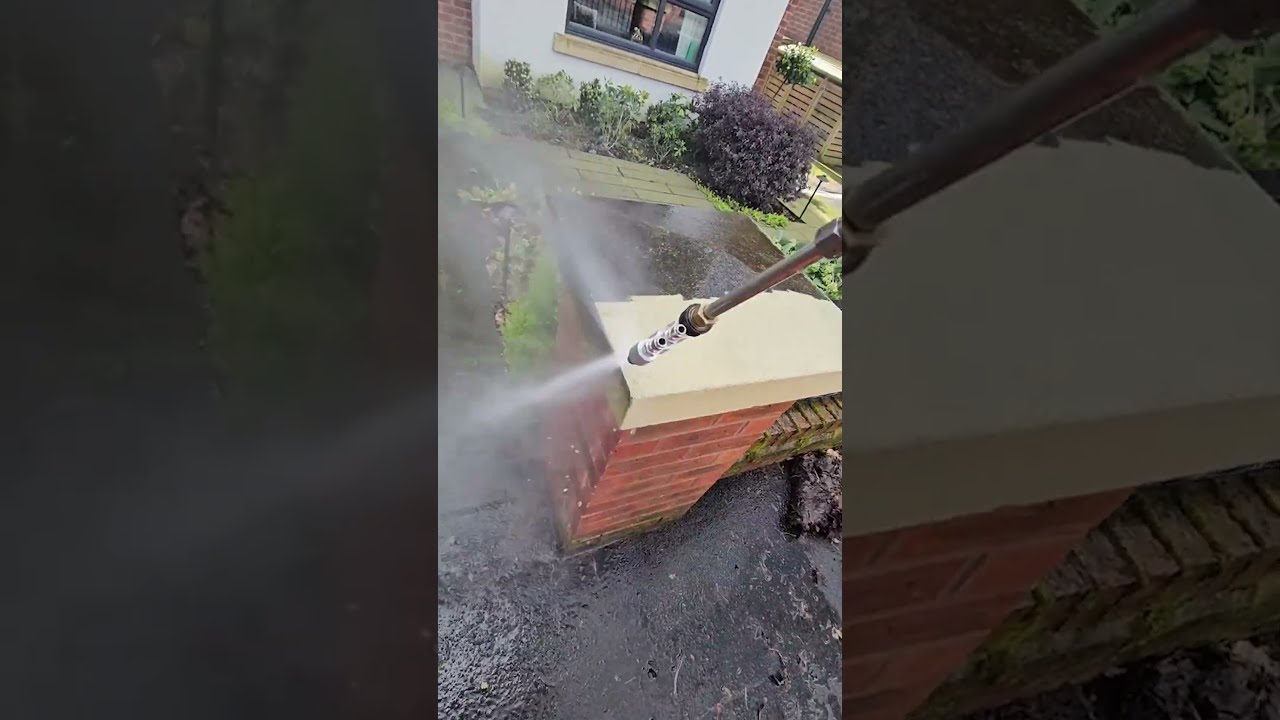
Begin by sweeping away loose debris and moving furniture, plants and vehicles. Pre-wet surrounding gardens and apply treatments as recommended. Work in consistent, overlapping passes, and rinse from top to bottom. Clean on a mild, overcast day if possible, as direct sun can cause detergents to dry too quickly. Finally, consider sealing concrete, pavers or timber after cleaning to help resist future mould and staining, which is especially useful in Ballina's damp climate.
Final Thoughts
There is no single best PSI. High pressure suits tough, hard surfaces like concrete, while low-pressure soft washing is the safer and often more effective choice for roofs, walls, timber and other delicate materials. Considering the surface, the type of dirt, and the unique conditions of Ballina and the Northern Rivers will help you get a clean result without causing damage. If you are unsure which approach suits your property, a local professional can assess your surfaces, recommend the right pressure and treatment, and deliver a long-lasting finish.
Ballina Pressure Cleaning
0440 133 837
❧